Erik Krause · 22 September 2026
Norwyn's library digitization push collides with youth sports expansions to create unexpected data-sharing networks for tracking community health trends
Norwyn's public library system began a large-scale digitization initiative in early 2025 that converted decades of local health pamphlets, community wellness reports, and participation logs into searchable databases, while at the same time the town's youth sports programs added new facilities and teams that required digital registration and performance tracking for thousands of participants.
Library digitization gains momentum
Library staff completed the first phase of scanning and indexing by mid-2025, which made previously paper-only records available through a central portal that included fitness guidelines distributed during past decades and attendance figures from community events; this effort aligned with broader state-level pushes to improve public access to archival materials, and researchers from regional universities soon began querying the new datasets to examine long-term patterns in local activity levels.
Youth sports programs expand rapidly
Parallel growth in youth sports saw the addition of three new athletic complexes and expanded leagues for soccer, basketball, and track by the summer of 2026, with enrollment surpassing 4,200 children and teens; each program adopted electronic health screening forms and wearable device integrations to monitor heart rates and movement metrics during practices, creating structured datasets that coaches and trainers used to adjust training loads and identify injury risks.
Collision creates data-sharing pathways
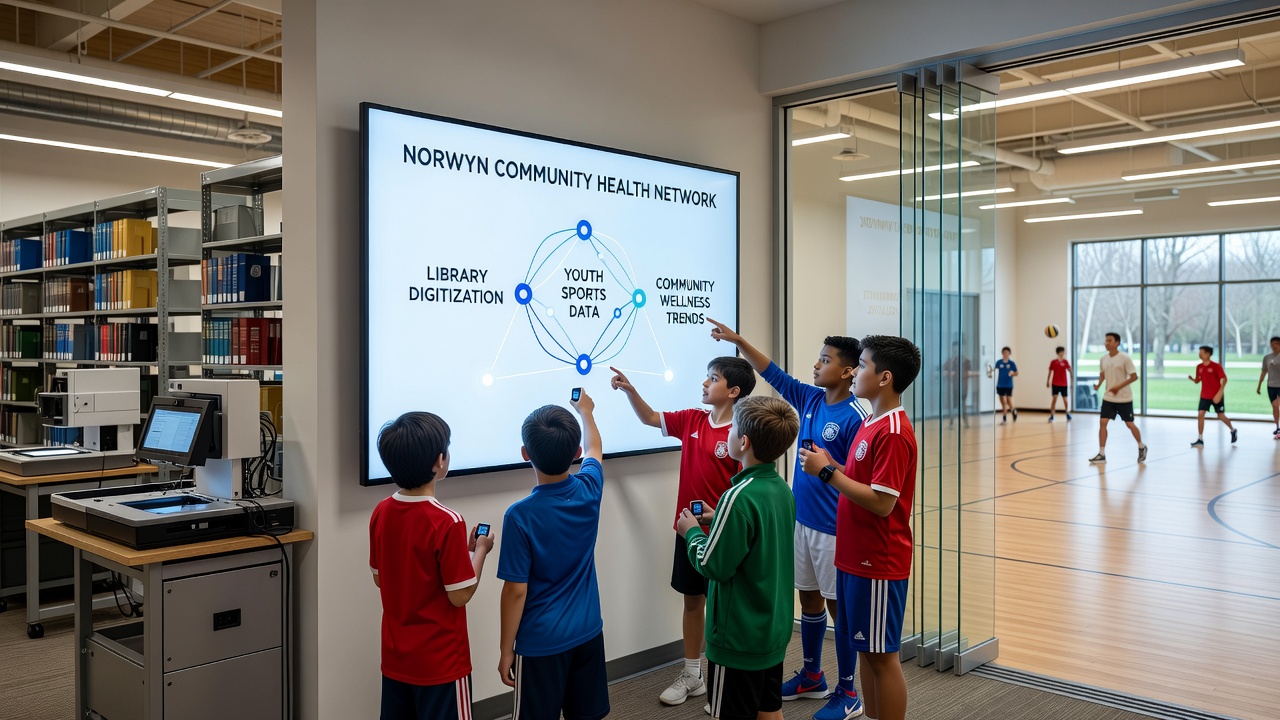
The overlap emerged when library digitization teams and sports program administrators discovered that both systems stored overlapping categories of information such as age-group demographics and self-reported activity histories, which led to a pilot partnership announced in September 2026 that allowed anonymized data exchange between the library portal and the sports registration platform; this arrangement enabled analysts to cross-reference reading habits around health topics with documented participation hours in organized athletics, revealing correlations between certain community outreach campaigns and sustained physical activity rates across multiple neighborhoods.
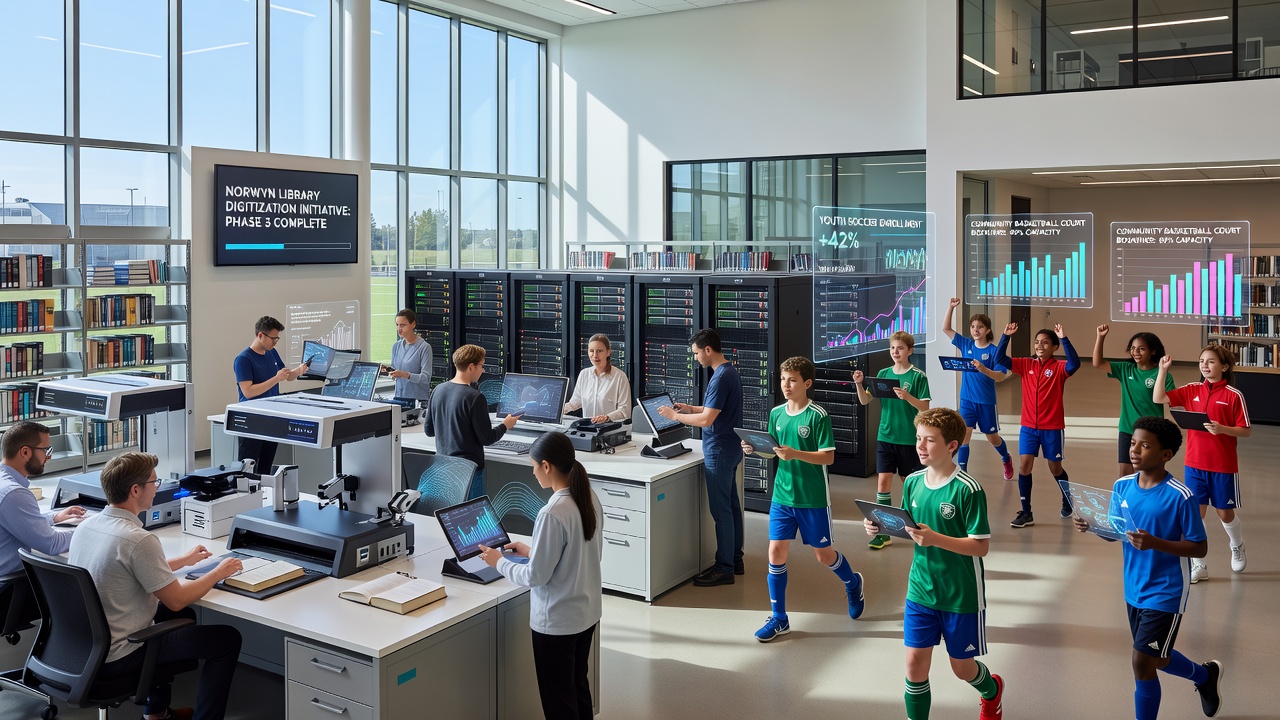
Local officials noted that the merged datasets highlighted previously unseen clusters where lower library engagement in health resources coincided with higher rates of program dropouts, prompting targeted outreach that combined digital reminders from the library system with in-person coaching support from sports staff.
Tracking community health trends
The resulting networks now feed into quarterly reports that track indicators such as average weekly activity minutes and uptake of preventive health information, with initial figures showing a 12 percent rise in sustained participation among 10-to-14-year-olds in districts that received combined interventions; these outputs draw on methods described in reports from the Australian Institute of Health and Welfare, which has documented similar multi-sector data linkages in regional health monitoring, and align with findings from longitudinal studies published by the Public Health Agency of Canada on integrated community datasets.
Hardware upgrades at both the library headquarters and the main sports complex included secure servers and standardized APIs that allow controlled queries without exposing individual identities, while privacy protocols require annual audits to maintain compliance with existing state data-protection statutes; early adopters among local pediatric clinics have begun receiving aggregated trend summaries that help prioritize school-based wellness workshops.
Operational details and next steps
Implementation teams scheduled a second expansion phase for late 2026 that will incorporate nutrition logs already digitized by the library and new sleep-tracking features from select sports teams, creating an even broader view of lifestyle factors that influence overall community vitality; training sessions for librarians and coaches now include joint modules on data interpretation so both groups can contribute to report generation without duplicating efforts.
Community members access summary dashboards through the library website and sports league apps, where they can view neighborhood-level trends such as rising bicycle commute rates or increased attendance at health-literacy events; these visualizations rely on the same merged datasets yet remain separate from any individual records.
Conclusion
The convergence of Norwyn's library digitization and youth sports growth has produced functional data-sharing arrangements that support ongoing observation of health-related behaviors across age groups, with measurable outputs already guiding resource allocation in multiple departments as of September 2026; continued refinement of the shared protocols will determine how widely these networks extend into additional municipal services.