Erik Krause · 8 September 2026
Norwyn's Local Markets and Festivals Create Pathways for Regional Artists Seeking Sustainable Income Streams
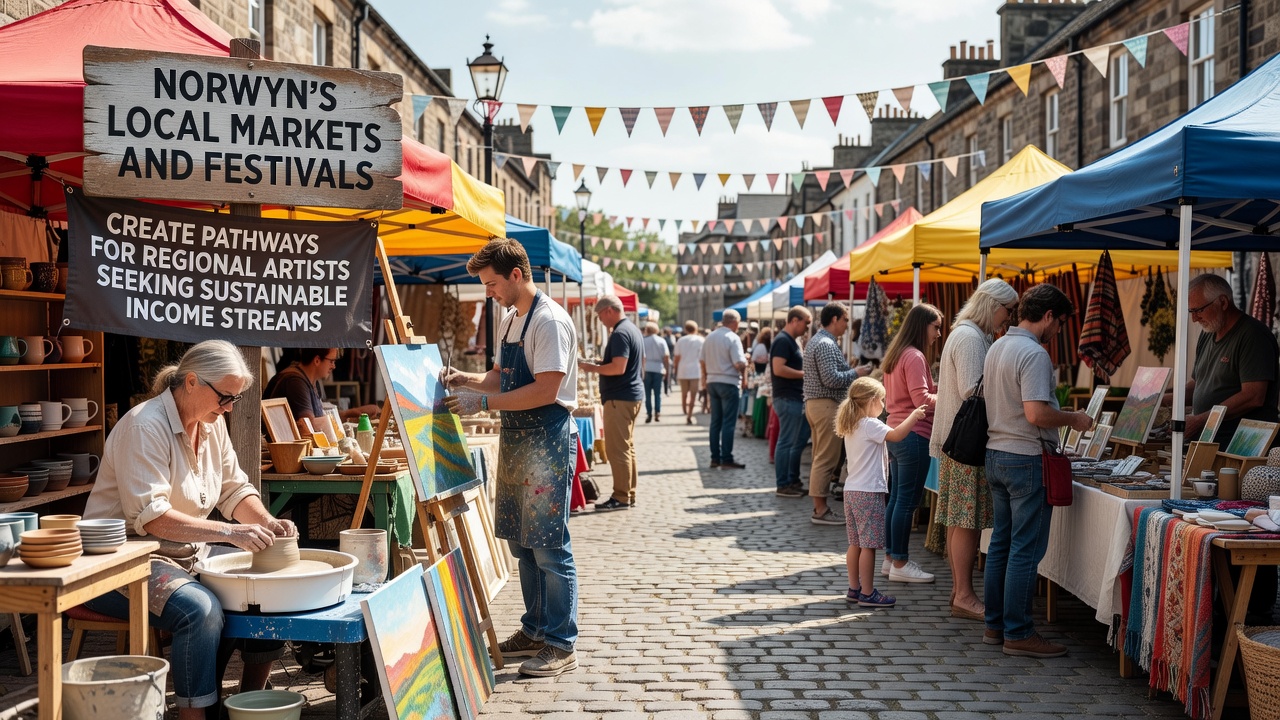
Norwyn's local markets operate on a weekly schedule that brings regional artists into direct contact with buyers who seek handmade goods and original works, while festivals expand those opportunities through multi-day events that draw larger crowds from surrounding areas. These gatherings function as structured venues where creators set up stalls, demonstrate techniques, and complete sales without relying on external galleries or online platforms alone. Data collected by regional tourism boards shows consistent foot traffic increases during market days, which correlates with higher transaction volumes for participating artists across painting, ceramics, textiles, and woodworking categories.
Market Structures and Artist Participation
Weekly markets in Norwyn center on designated public squares and community lots where organizers allocate spaces based on application reviews that prioritize local residency and original production methods. Artists register through a central coordinator who manages schedules, collects modest fees, and coordinates with municipal services for utilities and security. Participation numbers have grown steadily since the program expanded five years ago, with records indicating that over 120 regional makers now rotate through the slots on a seasonal basis. Those who've studied this model note that the low overhead allows artists to retain a larger share of each sale compared to consignment arrangements elsewhere, and the recurring format builds repeat customer relationships that stabilize income across months.
Festivals complement these markets by concentrating activity into themed weekends that highlight seasonal themes such as harvest crafts or winter illuminations. Organizers partner with local businesses to secure sponsorships that cover marketing and temporary infrastructure, which in turn reduces costs passed on to artists. September 2026 marks the date for the annual Autumn Arts Festival, where planners have already confirmed over 80 vendor slots dedicated to visual and performing artists from the immediate region. Advance registration data reveals early interest from makers who previously reported festival sales accounting for up to 35 percent of their annual revenue in prior years.
Festival Programming and Income Pathways
Programming at these festivals includes live demonstrations, short workshops, and evening performances that extend visitor dwell time and encourage additional purchases. Artists who secure performance or teaching slots receive separate compensation on top of merchandise sales, creating layered revenue streams within a single event. Reports compiled by the Norwyn Chamber of Commerce document average per-artist earnings during festival weekends that exceed typical market-day figures by a factor of three, largely because of increased attendance and the presence of out-of-town visitors who discover work they later follow online or through future markets.
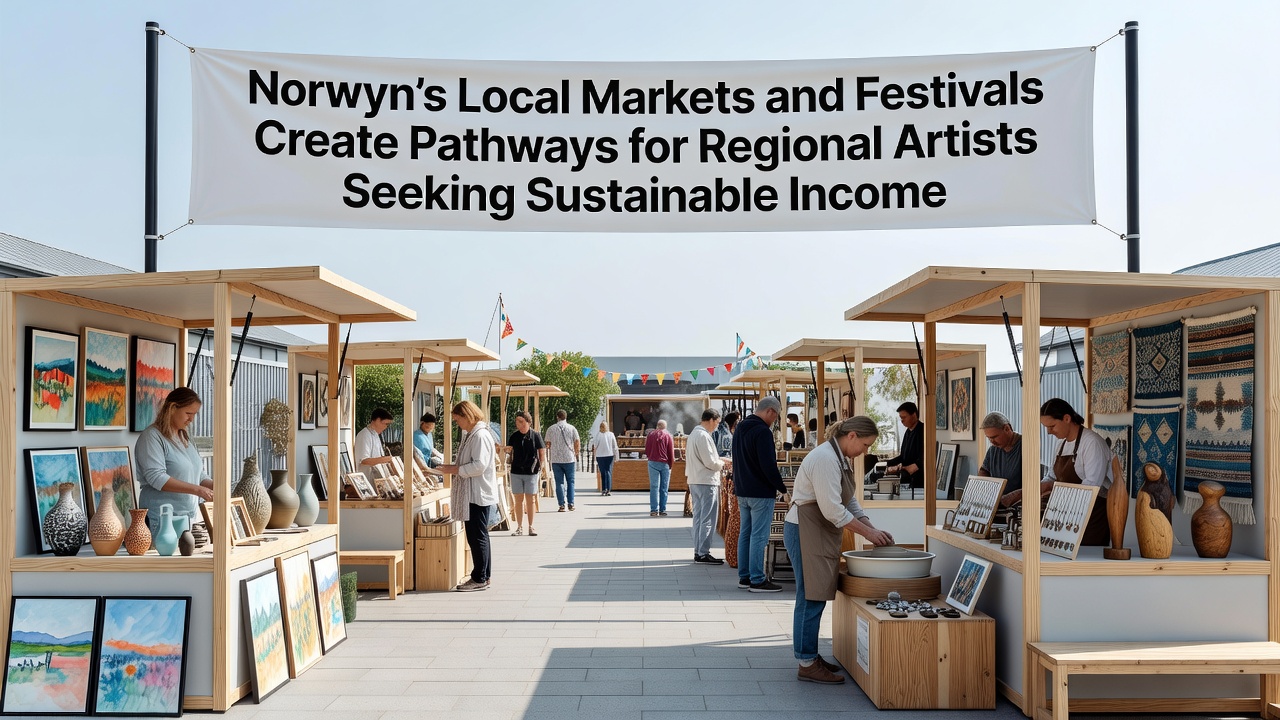
Observers note that the combination of markets and festivals reduces reliance on single income sources by allowing artists to test new products in low-stakes settings before committing to larger productions. One study released by the Canada Council for the Arts tracked similar regional programs and found that participants who maintained consistent market presence reported steadier cash flow throughout the year compared to those who depended solely on online sales or occasional commissions. Networking occurs naturally as artists share stall space or attend each other's demonstrations, which sometimes leads to collaborative projects that open additional sales channels.
Support Systems and Broader Economic Context
Local government allocates a portion of tourism revenue to subsidize artist training sessions on pricing, display techniques, and basic business record-keeping, which participants attend before their first market season. These sessions draw on guidelines from the National Endowment for the Arts that emphasize practical skills for independent creators. In parallel, a rotating advisory group of established makers provides peer mentorship that helps newcomers navigate application processes and seasonal fluctuations. Figures released by the Norwyn Economic Development Office indicate that artist-related activity at markets and festivals contributed measurable increases to local hospitality and retail sectors during peak months, illustrating the wider circulation of income generated at these events.
Challenges remain around weather dependency and competition from larger urban festivals, yet organizers have responded by introducing covered structures at main market sites and staggered scheduling that avoids direct overlap with neighboring towns. Attendance tracking through ticketed evening events shows sustained interest even when daytime weather varies, adn artists who diversify their offerings with portable items report fewer disruptions to planned sales targets.
Conclusion
Norwyn's markets and festivals together establish recurring platforms that connect regional artists with paying audiences while supplying supplementary training and coordination resources. The September 2026 festival represents the next scheduled expansion of these opportunities, building on patterns already documented in participation logs and revenue summaries. Through direct sales, skill-sharing, and repeated exposure, these events continue to function as measurable components of sustainable income strategies for the artists involved.