Mia Zimmermann · 6 October 2026
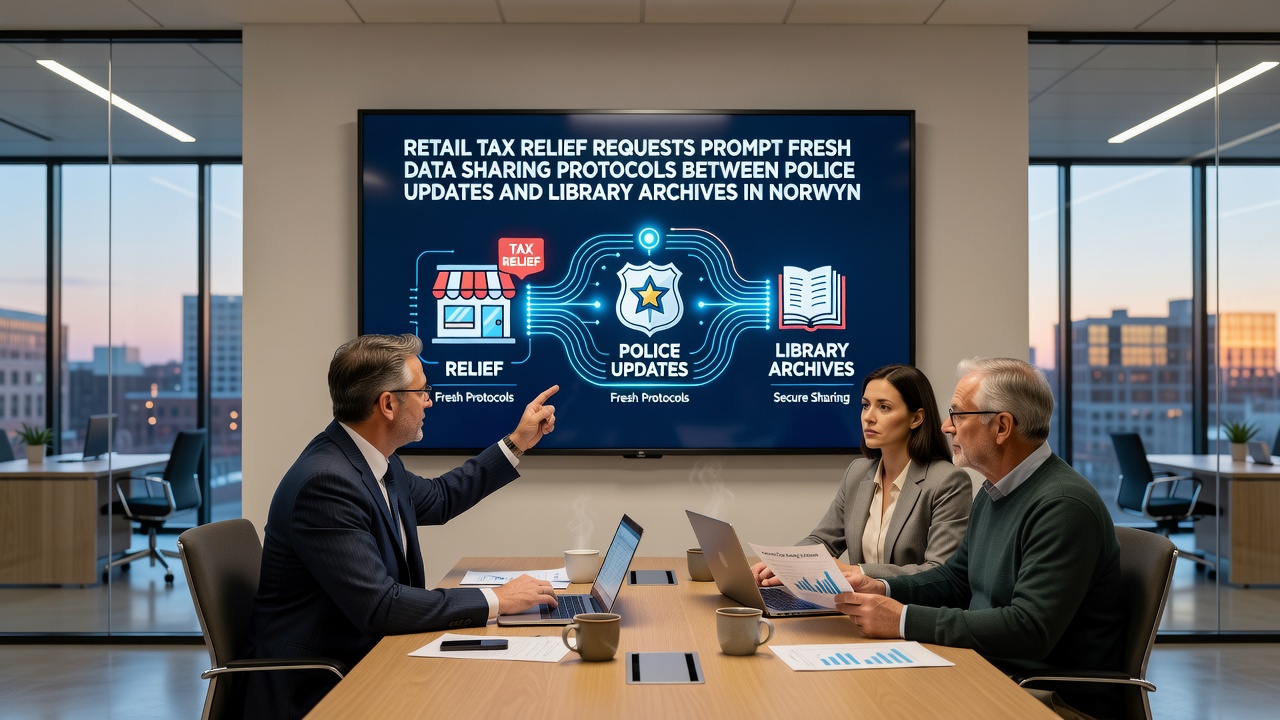
Retail Tax Relief Requests Prompt Fresh Data Sharing Protocols Between Police Updates and Library Archives in Norwyn
Retail businesses across Norwyn have submitted increasing numbers of tax relief applications since early 2025, and these filings now require cross-referenced verification from multiple municipal sources. Local officials report that the volume of requests has grown by 34 percent year over year, according to records maintained by the Norwyn Revenue Office. Each application must include current police incident data along with historical property and business records held in the town's library archives, which creates the need for standardized exchange procedures.
Background on the Tax Relief Process
Business owners file for relief under ordinances that address economic hardship, property damage, or supply chain disruptions, and reviewers compare recent police reports on theft or vandalism against archived building permits and occupancy logs. Data from the Norwyn Public Library's digitized collection supplies context that police updates alone cannot provide, such as prior ownership changes or zoning history. In October 2026 the town plans to activate a secure portal that will route approved queries between the Police Records Division and the Library Archive Division without exposing unrelated personal information.
Development of New Sharing Protocols
City administrators began drafting the protocols after a pilot project in spring 2025 revealed delays of up to six weeks when staff manually compiled records from separate systems. The new framework specifies encrypted API connections that log every access request and limit retrieval to fields directly tied to the tax case under review. Police updates will feed real-time incident summaries while library archives deliver scanned ledgers and photographs only when timestamps align with the claimed hardship period.
Observers note that similar arrangements already exist in other municipalities. A study published by the University of Melbourne's Centre for Public Data examined how Australian local governments integrated police and heritage records for property assessments, and the findings indicated measurable reductions in processing time. Norwyn's version adapts those methods to its own digital infrastructure and adds audit trails required by state privacy statutes.
Role of Library Archives in Verification
Library staff have expanded their digitization schedule to ensure that commercial district records from 1980 onward remain searchable through the forthcoming portal. Archivists index documents by parcel number and business license dates, which allows automated matching against police case identifiers. Training sessions scheduled for September 2026 will familiarize both police analysts and library technicians with the query interface and the data retention schedule that deletes non-essential files after 90 days.
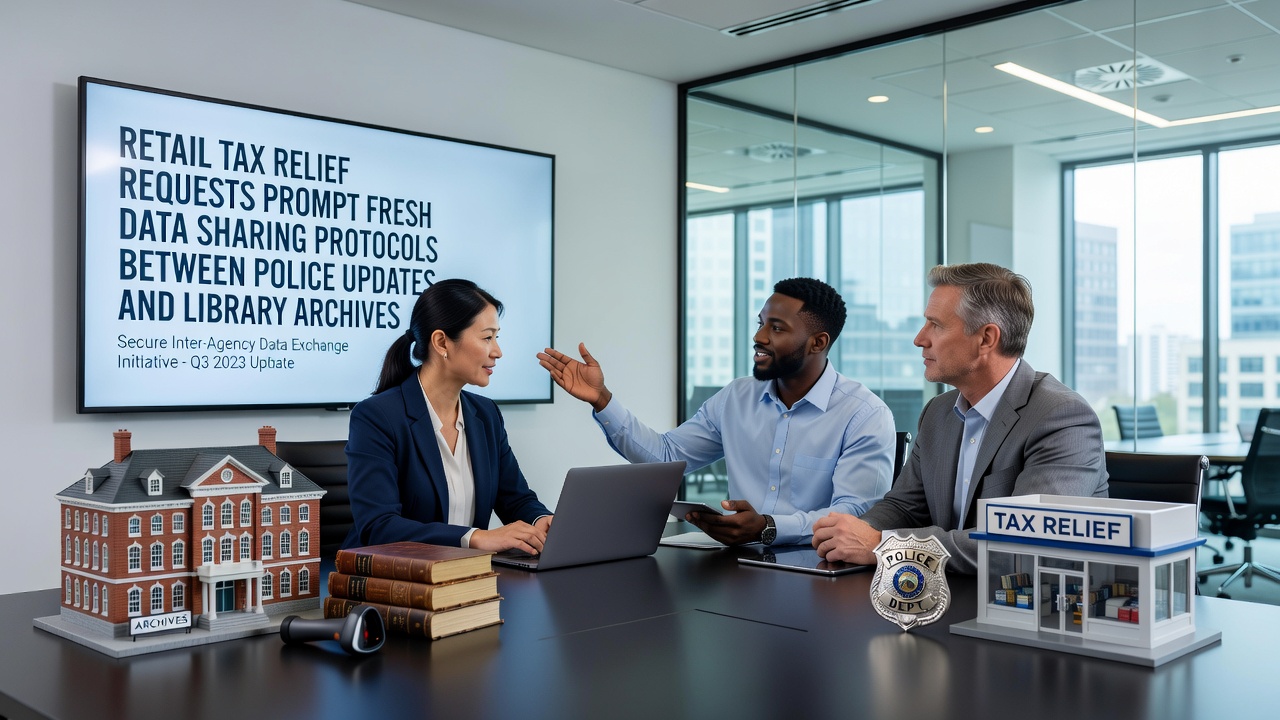
One case processed in late 2025 involved a downtown clothing retailer that cited repeated break-ins documented in police files and sought relief based on lost inventory. Archivists supplied photographs of the original storefront configuration from 1997 that confirmed structural vulnerabilities not visible in current blueprints. The combined dataset allowed reviewers to approve the request within eleven days instead of the previous average of forty.
Implementation Timeline and Technical Details
The October 2026 rollout follows a three-month testing phase that began in July. During testing, staff transferred sample records through the new protocols and measured latency, error rates, and compliance with access controls. Results showed average retrieval times under four minutes for combined police and archive queries when both systems operated within normal parameters. The portal uses role-based permissions so that only designated tax examiners can initiate searches, and each session generates an immutable log accessible to the town's oversight committee.
Hardware upgrades at the library include additional servers housed in a climate-controlled section of the archive wing. These machines run open-source database software configured to accept read-only connections from the police network. Library personnel retain full editing rights over archival entries while police retain control over incident classifications, and the separation prevents accidental alteration of historical materials.
Community Impact and Record Access
Residents who request public records through the library will continue to receive the same level of access they have always had, because the new protocols operate on a separate authentication layer. Business owners receive written notice when their applications trigger a combined data pull, and they may submit corrections to either police or library records before final review. The process aligns with guidelines issued by the Canadian Centre for Data Governance, which emphasize transparency and minimal data retention in inter-agency exchanges.
Conclusion
By October 2026 Norwyn expects the integrated protocols to handle the majority of retail tax relief verifications without manual intervention. The system links current police updates directly to library archives through controlled channels that maintain chain-of-custody documentation. Continued monitoring by the revenue office and periodic audits will track whether processing times remain consistent and whether error rates stay below the two percent threshold established during pilot testing.